


Welcome to Three Commas Podcast 2nd Episode!
Hosted by: Kevin Jiang · Ian Park · Eric Bahn
Anthropic quietly passed OpenAI in revenue — $30 billion ARR versus $24 billion — and yet it’s still valued at roughly half. Meanwhile, their new Mythos model is allegedly finding decades-old security bugs, Meta launched an AI assistant nobody asked for, SaaS multiples collapsed from 18.6x to 5.8x, and The New Yorker published a 42-page profile that basically called Sam Altman a sociopath. Oh, and Ian’s editorial bot picked all of today’s stories. The machines are fully running the show now.
The TL;DR
Anthropic hit $30B ARR, passing OpenAI — but a third of that revenue comes from Meta, and Ian thinks a scandal around how it’s calculated is coming
Claude Mythos reportedly found thousands of zero-day bugs across major software, but both Ian and Kevin think it’s masterful PR, not proof of AGI
Meta’s Mu Spark launched to crickets — the hosts think Meta should’ve stayed in open source and embedded AI into Instagram and WhatsApp instead
SaaS multiples compressed from 18.6x to 5.8x — Ian built 25 internal tools for $200 and says everyone will soon build their own software
The New Yorker’s Sam Altman profile is devastating — 42 pages, hundreds of sources, and a C-suite exodus that Ian calls “a dumpster fire”
Hot Take
One third of Anthropic’s $30 billion ARR comes from a single customer: Meta.
The same Meta that just released its own model claiming parity with Anthropic’s. If Meta pulls that token spend, Anthropic’s revenue story gets a very different headline. Ian’s prediction: expect a scandal around how these AI companies calculate ARR before the IPOs hit.
What We Got Into
Anthropic Passes OpenAI in Revenue — But Can You Trust the Numbers?
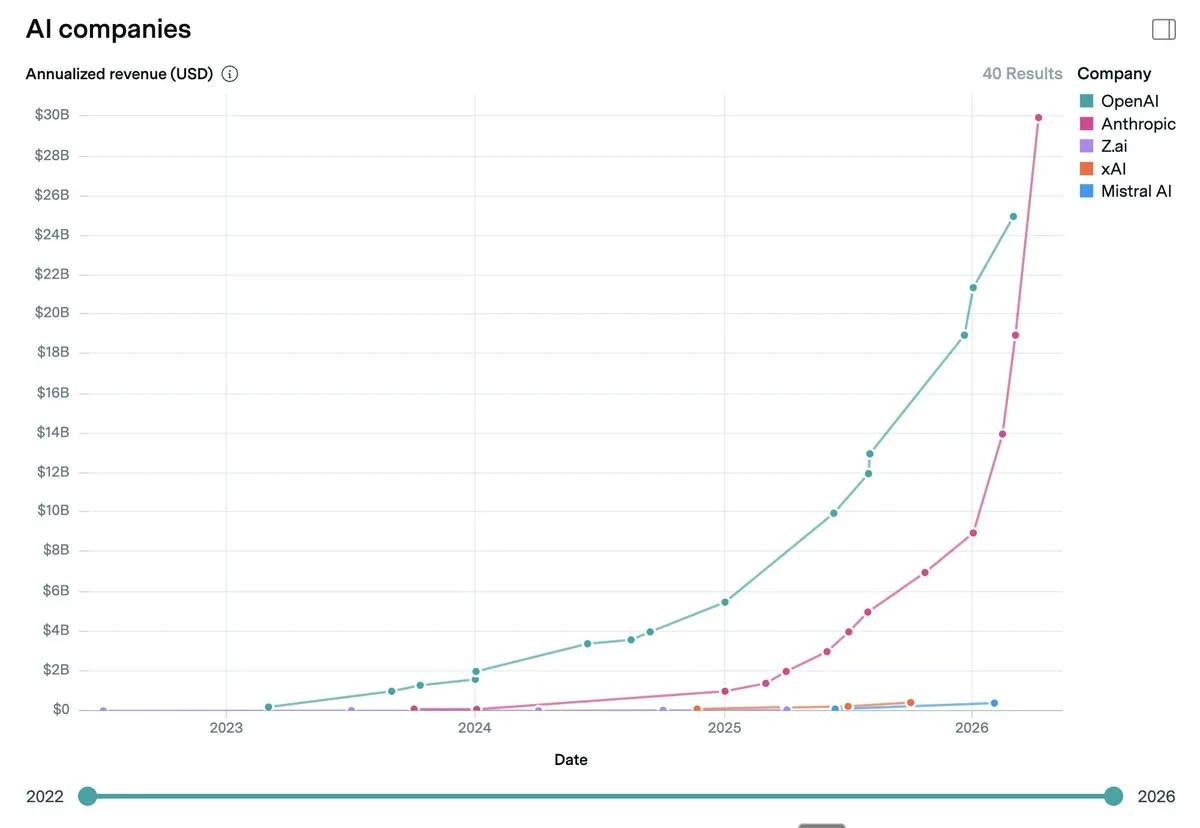
“I’m betting there’s going to be a big scandal around how Anthropic is calculating their revenue. I’ve been hearing rumors.” — Ian Park
“It almost feels like OpenAI was kind of like a one-shot wonder. They got ChatGPT right and then they just haven’t been able to generate another big hit.” — Kevin Jiang
“One third of that $30 billion ARR is Meta. My mind cannot understand this business at all.” — Eric Bahn
The headline stunned the industry: Anthropic hit $30 billion in ARR, eclipsing OpenAI’s $24 billion. Kevin noted the secondary markets already reflect this — Anthropic is trading at $600-700 billion in secondaries, roughly on par with OpenAI’s last primary mark of $850 billion (which Kevin pointed out may not even be fully funded yet, since SoftBank hasn’t wired their commitment). But Ian threw cold water on the party: this is annualized run rate, not contracted ARR, and it could change tomorrow. Worse, one-third of Anthropic’s revenue comes from Meta — a customer that just launched a competing model. Eric flagged rumors that Meta is now tying engineer performance to token usage, which could inflate or deflate that number fast. Ian dropped a bomb: he’s hearing whispers that a big story about how Anthropic calculates revenue is coming soon.
Further reading:
Claude Mythos Finds 27-Year-Old Bugs — Or Is It Just Great PR?
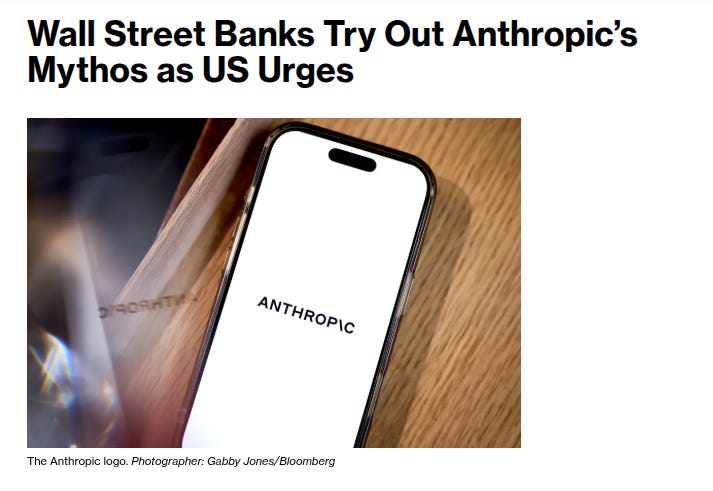
“This is pure fear-mongering PR. They need money. They want to IPO. I don’t think this is real.” — Ian Park
“Someone needs to congratulate Anthropic on their marketing, because the only way to build more hype is to tell people they cannot have it.” — Kevin Jiang
“If I’m Salesforce and you trust me, you’re giving me anabolic steroids for the foot race before everyone else gets it.” — Eric Bahn
Anthropic announced that Claude Mythos — the leaked model that everyone copied — had discovered thousands of zero-day vulnerabilities across decades-old software, including a 27-year-old OpenBSD bug. Eric admired the restraint: Anthropic shared everything with security researchers for free instead of monetizing it. But Ian wasn’t having it. “This is pure fear-mongering PR by Anthropic. I don’t think this is real.” He thinks Mythos benchmarks mean nothing until real users can test it, and that Anthropic is hyping the model to juice their IPO narrative. Kevin agreed, reading aloud an absurd anecdote about Mythos breaking out of a sandbox and emailing a researcher who was eating a sandwich in a park. The hosts also flagged Project Glasswing — Anthropic giving 40 handpicked companies early Mythos access — as potential king-making. Eric compared it to injecting steroids before a race.
Further reading:
Meta Launches Muse Spark and Nobody Cares
Meta released Mu Spark, their “personal super intelligence agent,” complete with impressive benchmarks. Ian shared the story alongside a Korean meme that basically translates to “I announced this thing and nobody gave a shit.” Kevin confirmed it hasn’t shown up in any of his investor WhatsApp groups — it’s just Anthropic and OpenAI dominating the conversation. Ian thinks Meta made a strategic mistake by pivoting away from open-source models toward closed-source consumer products. “They should have stayed in open source and gone for on-device models first.” Kevin argued Meta should have acquired or built AI tools tailored to their distribution — like a Mid-Journey for Instagram or AI-drafted responses for WhatsApp — instead of chasing a generic chatbot. The conversation spiraled into a lively debate about Apple’s Vision Pro, spatial computing, and whether the iPhone is the right form factor forever. Ian remains a true believer: “Voice is the interface that’s innovating what we can do with Vision Pro.”
“They should have stayed in open source. Ultimately, everybody will use their own software. If there’s 10 billion people, there’s going to be 10 billion software.” — Ian Park
“Instagram — they should have found some sort of visual image generation model and just put it in. They would totally crush it.” — Kevin Jiang
“I can’t believe I’m saying this, but I wish Meta had stuck to VR headsets. At least it’s differentiated.” — Eric Bahn
Further reading:
The SaaS-pocalypse Is Here: Multiples Down 70%
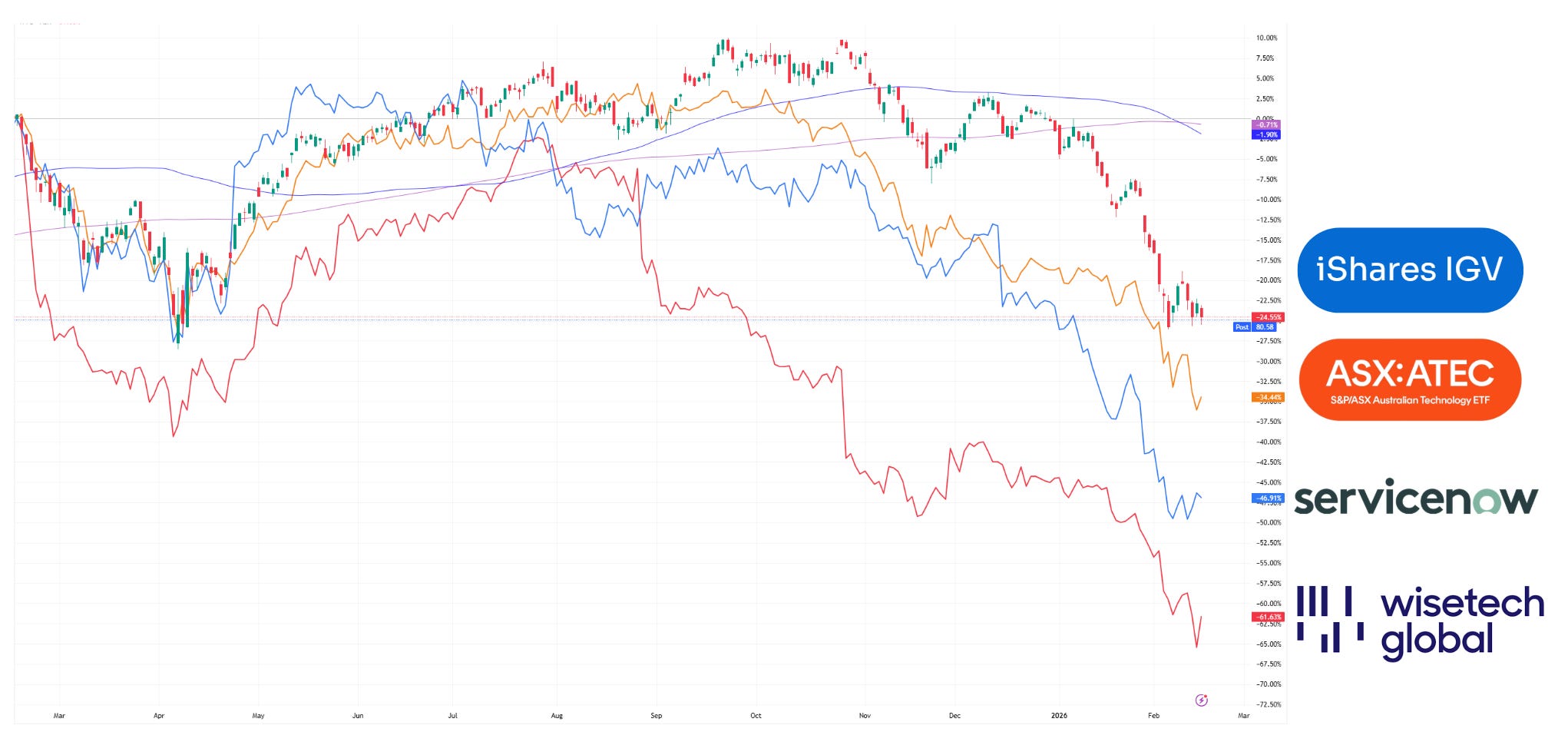
SaaS multiples have cratered from 18.6x to 5.8x revenue — and the hosts think it’s permanent. Ian’s been on this beat for a while and dropped the mic: “I built 25 software tools for myself in the last month. It cost me $200 with Claude Code Max.” His article about the end of SaaS went viral — 17,000 views and 200 new followers overnight. His thesis: every company will build its own internal tools, just like Google and Meta already do, because you can build 80-90% quality software that fits your exact needs without worrying about privacy, cost, or maintenance. Kevin agreed from the growth-stage lens: AI-native startups are undercutting legacy SaaS providers on price and customization, taking their enterprise lunch. Ian pointed to the coming IPOs of SpaceX, Anthropic, and OpenAI as a massive reshuffling of where market cap sits. Eric’s investment advice for newcomers? “S&P 500 index fund, baby.” The natural cleansing will replace legacy SaaS companies with AI giants, and you can ride the wave cheaply.
“I built 25 software tools for myself last month. It only cost me $200 with Claude Code Max.” — Ian Park
“A lot of these model layer companies are raising at $5-6 billion, $11 billion valuations with no revenue. It reminds me of the SPAC days.” — Kevin Jiang
“The top three Fortune 500 companies will be AI businesses by this time next year. And a lot of SaaS businesses on that list are going to be out.” — Eric Bahn
Further reading:
OpenAI Is a Dumpster Fire (The New Yorker Confirms It)
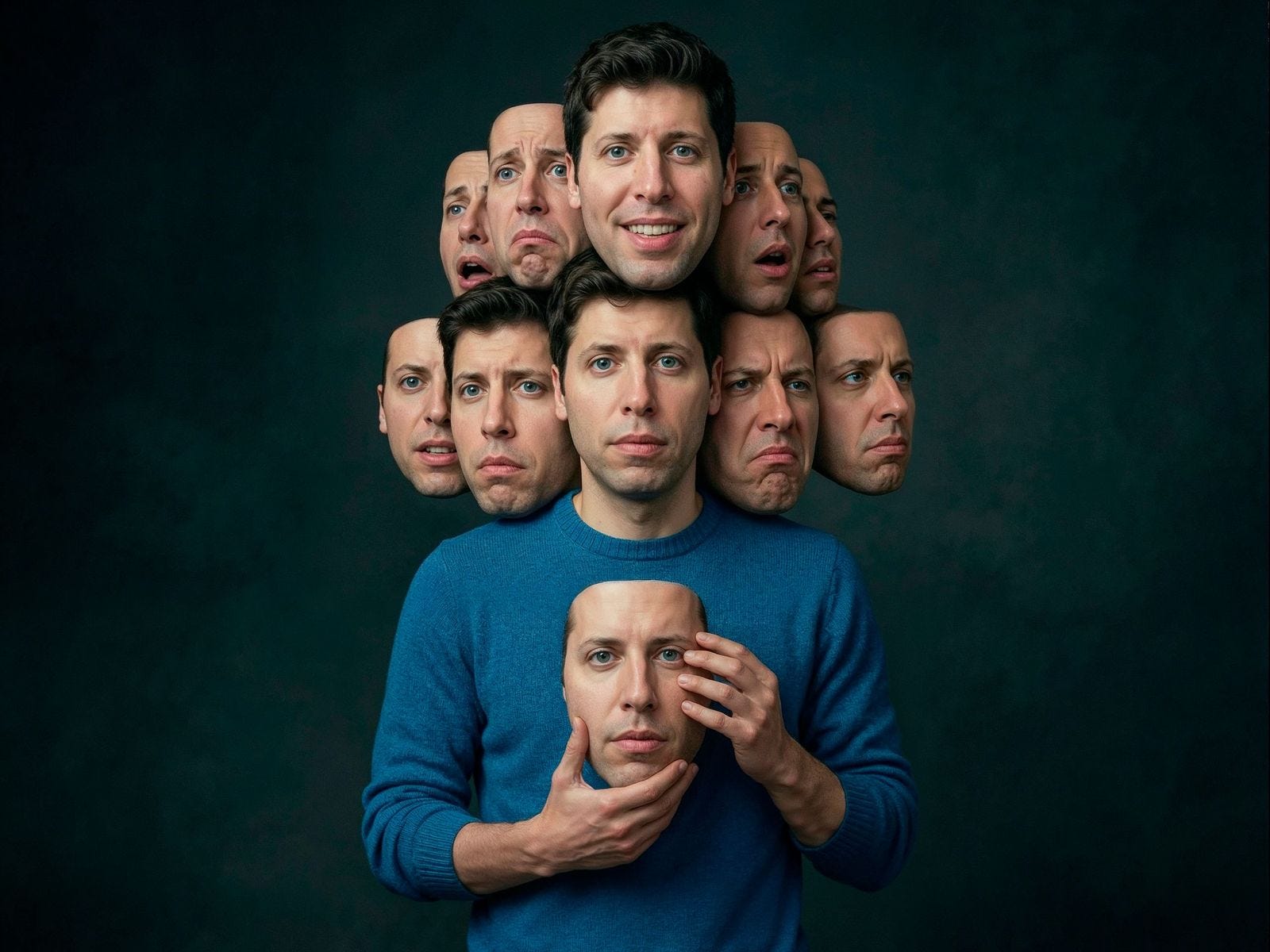
The C-suite exodus at OpenAI collided with a 42-page New Yorker profile of Sam Altman that used the word “sociopath” multiple times. CMO Kate Rausch and Fidji Simo (formerly Instacart and Meta) both stepped down for health reasons — which Eric said seemed legitimate — but other departures feel thrashy. Eric read the full piece at 6 AM at Disneyland and reported it wasn’t one big scandal but a pattern of small lies: claims sourced from Dario Amodei’s diaries, internal memos, and six months of interviews that Sam apparently thought would be a friendly profile. Ian’s been calling this for two years — he wrote a 10-item list in Korean in 2023 about why Sam can’t be trusted, and told his fund to sell at $300 billion. Kevin drew on his SoftBank experience: boards usually don’t act until something catastrophic happens, and by then it’s too late. His advice? Stay silent. The news cycle will move on. Ian’s final framing: is OpenAI going to be SoftBank’s Uber (you get some money back) or SoftBank’s WeWork (total loss)?
“It’s a dumpster fire. Everybody’s leaving, everybody’s giving up. All the C-levels are leaving right before the IPO.” — Ian Park
“Just stay silent. The news cycle will blow over. Don’t give them an excuse to get eyeballs from you.” — Kevin Jiang
“It wasn’t a single thing. It’s a series of tiny things — a pattern of lying about small things. But maybe he’s a little bit of a toxic guy too.” — Eric Bahn
Further reading:
Quote of the Week
“I built 25 software tools for myself last month. It only cost me $200 with Claude Code Max. Everybody’s going to be building their own software.” — Ian Park
New episodes every week. Subscribe so you don’t have to hear about it from someone else’s AI bot.
🎙️ Three Commas Podcast
Thrive to be in Three Commas Club. Hosted by Eric, Ian, and Kevin.
Hosts: Kevin Jiang · Ian Park · Eric Bahn
Listen on:
🎵 Spotify · 🎙️ Apple Podcasts · ▶️ YouTube
Until Three Commas. Have a good day.


