


Three VCs, one mic, three opinions you won’t hear at a fund meeting. Hosted by Eric Bahn, Ian Park, and Kevin Jiang.
The same week a jury tossed Elon Musk’s lawsuit against OpenAI in under two hours, Anthropic announced its first operating profit — $559 million — on a projected $10.9 billion in Q2 revenue. Meanwhile, OpenAI is reportedly burning through the equivalent of $18 billion a quarter. Andrej Karpathy, the AI world’s most respected research voice, just joined Anthropic. SpaceX filed its S-1 with Elon’s Mars colony fantasy baked directly into his compensation plan. And a governor from Minnesota decided he’d seen enough of prediction markets. Buckle up, chingus.
The TL;DR
🔥 Hot Take
Ian Park has been calling the SpaceX S-1 a disappointment for weeks — and after reading it, he’s out. His words: “I’m going to sell it and I wouldn’t recommend any of my friends to buy it.” The reason isn’t Starlink. Starlink is incredible. The reason is that a profitable rocket company is being used as a vehicle to bail out Elon’s money-losing AI and social media businesses. SpaceX is absorbing roughly $10 billion a year in losses from xAI, and its capex is now ~$30 billion — most of it going to AI data centers. Ian’s been a SpaceX believer for years. Watching it get financially engineered to save Elon’s ego is, in his words, “sad.”
What We Got Into
OpenAI vs. Everyone — the lawsuit, Karpathy, and the IPO race
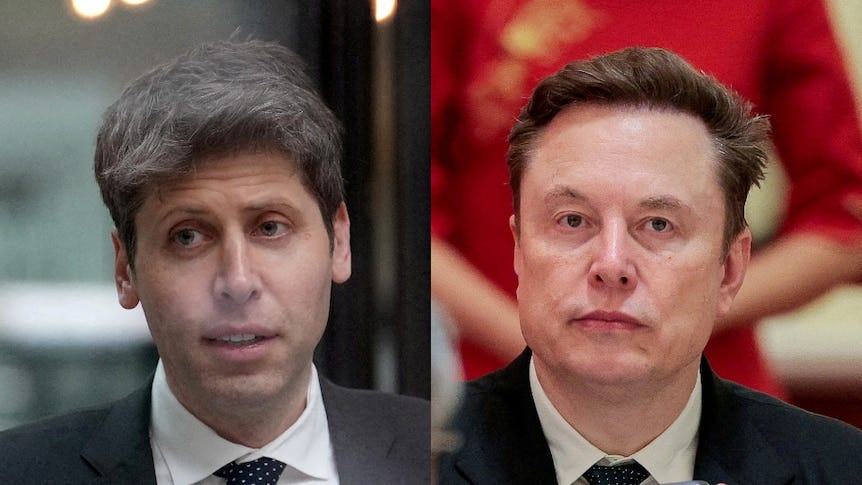
The jury took less than two hours. Musk’s lawsuit got thrown out on statute-of-limitations grounds — he filed too late — and Musk called it a “calendar technicality” before vowing to appeal. Eric Bahn wasn’t celebrating. “Even though they won the lawsuit, OpenAI definitely lost in my eyes,” he said. The discovery process leaked embarrassing details: Sam Altman’s text threads, accusations of self-dealing on the Cerebras IPO, a portrait of someone leveraging his position for personal gain. Eric’s sharper point: Elon didn’t just sue OpenAI, he weaponized the discovery process. The same day the verdict dropped, Andrej Karpathy announced he was joining Anthropic — a symbolic gut punch. Ian Park’s framing on the IPO race is the one to keep: OpenAI doesn’t want to go public after Anthropic because it doesn’t want investors to see the comparison first. XAI doesn’t want OpenAI to go before them for the same reason. The order in which these S-1s drop is now a competitive weapon.
“Even though they won the lawsuit, OpenAI, they definitely lost in my eyes.” — Eric Bahn
“OpenAI doesn’t want people to see the S1 of Anthropic first, then seeing that of OpenAI.” — Ian Park
“I feel like every week we talk about the state of the big LLMs, it seems like there’s constantly negative news coming out for OpenAI relative to Anthropic.” — Kevin Jiang
Further reading:
Jury Throws Out Elon Musk’s Lawsuit Against OpenAI in Under Two Hours (NBC News)
Andrej Karpathy Joins Anthropic’s Pre-Training Team (TechCrunch)
Anthropic’s first operating profit — and why Kevin says don’t celebrate yet
The Wall Street Journal reported Anthropic is projecting $10.9 billion in Q2 revenue — up from $4.8 billion in Q1 — and its first-ever operating income of ~$560 million. That’s a 130% revenue surge in a single quarter. Kevin Jiang gave the most useful caveat on the call: operating profit and cash flow are different animals. “There’s a good chance they’re still investing a ton in hardware and servers,” he said. The operating income number lives on the income statement. Capital expenditures and working capital live somewhere else. In Q1, Anthropic spent 71 cents on compute for every dollar of revenue; in Q2 that ratio is projected to fall to 56 cents — which is genuinely impressive — but the debt to hardware still doesn’t show up in the operating line. Ian’s response was more direct: “I don’t trust that.” Both hosts agreed the numbers are floating publicly because Anthropic is mid-fundraise and had to show investors something. Eric Bahn noted the wild juxtaposition: Anthropic toward operating profit while OpenAI burns billions — and the market is forced to reckon with which of these companies is actually the business.
“Operating profit is a P&L metric. It doesn’t capture what’s happening on capital expenditures and working capital.” — Kevin Jiang
“I don’t trust that. I think they’re throttling the model to save money.” — Ian Park
“That is a wild juxtaposition.” — Eric Bahn
Further reading:
Anthropic Eyes First Profitable Quarter on $10.9 Billion Q2 Revenue (Yahoo Finance)
Anthropic’s “Profitability” Swindle — a skeptic’s read (Where’s Your Ed At)
The SpaceX S-1 — and the Emperor of Mars
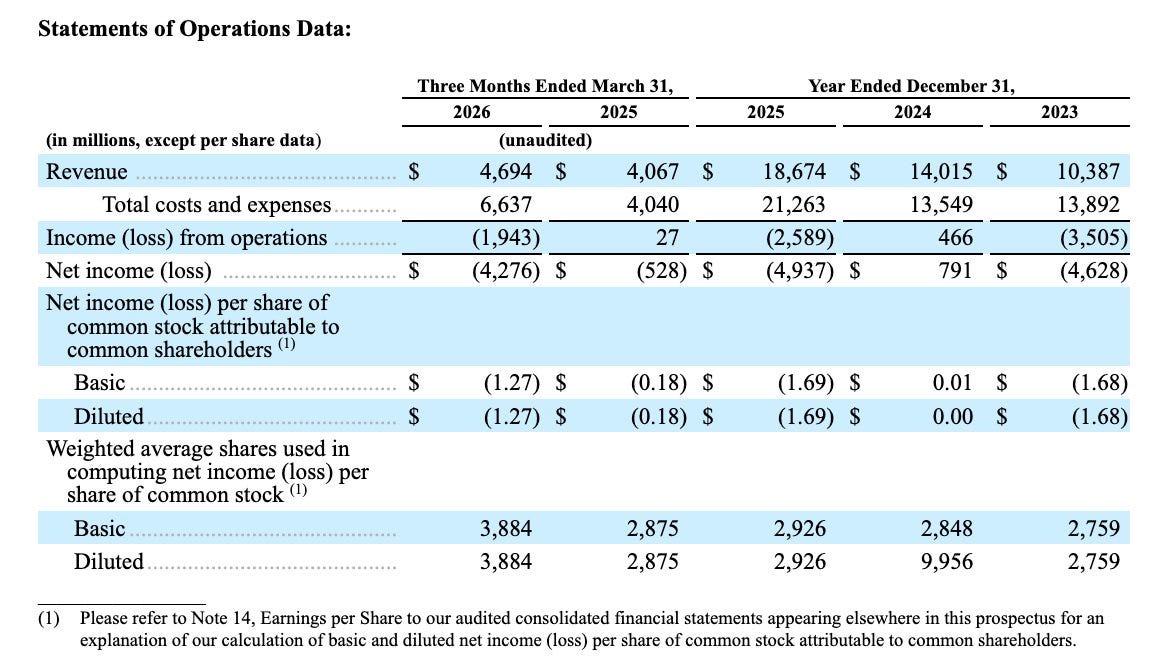
Ian Park published his reaction the morning of the recording. He’s been a SpaceX believer for years. His original underwriting thesis was that Starlink would spin out separately and go public as a trillion-dollar company. Instead, what happened was the opposite: Starlink is absorbing xAI and X.com’s losses. “SpaceX has been polluted by XAI and their financials,” he said. xAI loses ~$3-4 billion per quarter. The combined entity’s capex is now ~$30 billion, most of it going to AI data centers. SpaceX also bought $800 million of goods from Tesla, and Tesla bought $500 million of goods from xAI. It’s one big financial feedback loop, and profitable SpaceX is the engine. Kevin’s IB read was characteristically useful: Elon still owns ~85% of the voting power post-IPO. Super voting shares, same structure as Google and Meta at listing. You’re not buying into shared governance — you’re buying into the Elon thesis, full stop. And then there’s the comp plan, which Eric described through the eyes of a JPMorgan banker reading the S-1 line by line in a room: Elon’s performance compensation is contingent on 1 million humans living on the Mars colony and a $7.5 trillion valuation. The room must’ve been very quiet.
“I’m going to sell it and I wouldn’t recommend any of my friends to buy it.” — Ian Park
“It’s being financially engineered for Elon Musk’s businesses. It’s sad.” — Ian Park
“Can you imagine being in that room... reading line by line and seeing things like Elon Musk is tying a future bonus to 1 million people being on Mars?” — Eric Bahn
“If you believe in Elon, then you want to buy this company.” — Kevin Jiang
Further reading:
SpaceX’s Historic IPO: Billions in Losses and Musk’s Massive Ownership (CNBC)
SpaceX S-1 Full Teardown: $1.75T Valuation, Starlink, xAI, and the Anthropic Deal (The VC Corner)
Is Elon lying — or just dreaming out loud?
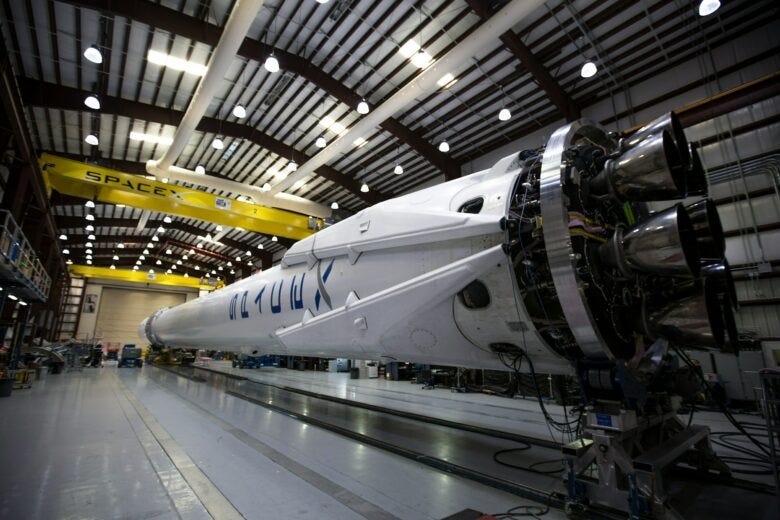
The SpaceX conversation opened a longer thread about where the line is between visionary over-promise and manipulation. Ian drew the comparison to Elizabeth Holmes directly: “to some extent it’s actually manipulating people.” FSD has been “six months away” for twelve years. Optimus is still a promise. The 4680 battery underdelivered. Ian’s take: “he believes it, maybe it’s not illegal, but it’s just too much.” Eric offered a more generous read — in early Silicon Valley, founders sold mission to recruit. Larry and Sergey drove Priuses. The “join us and make the world better” pitch was sincere, if self-serving. “I wonder if it’s a motivator — come support this mission because ultimately what we’re doing is greater than money.” Kevin’s defense of Elon was the most interesting: he might genuinely not care about money. Lives modestly, no mega-yacht in the news cycle. Ian’s counterpoint landed last: “Elon is more driven by power, and money is his way of buying power.” The Mars colony isn’t a business plan. It’s a throne.
“People promise these dreams. Elizabeth Holmes had a dream. To some extent it’s actually manipulating people.” — Ian Park
“I wonder if it is a motivator — come work for me because what we’re doing is greater than money.” — Eric Bahn
“Elon’s more driven by power, and money is his way of buying power. Maybe he can’t be the president because he’s from South Africa — so he’s going to be the Emperor of Mars.” — Ian Park
Further reading:
SpaceX IPO Prospectus: 15 Key Insights from the S-1 Filing (Trending Topics)
Elon Musk Loses OpenAI Trial, Vows Appeal (Bitcoin.com News)
Minnesota vs. the betting internet
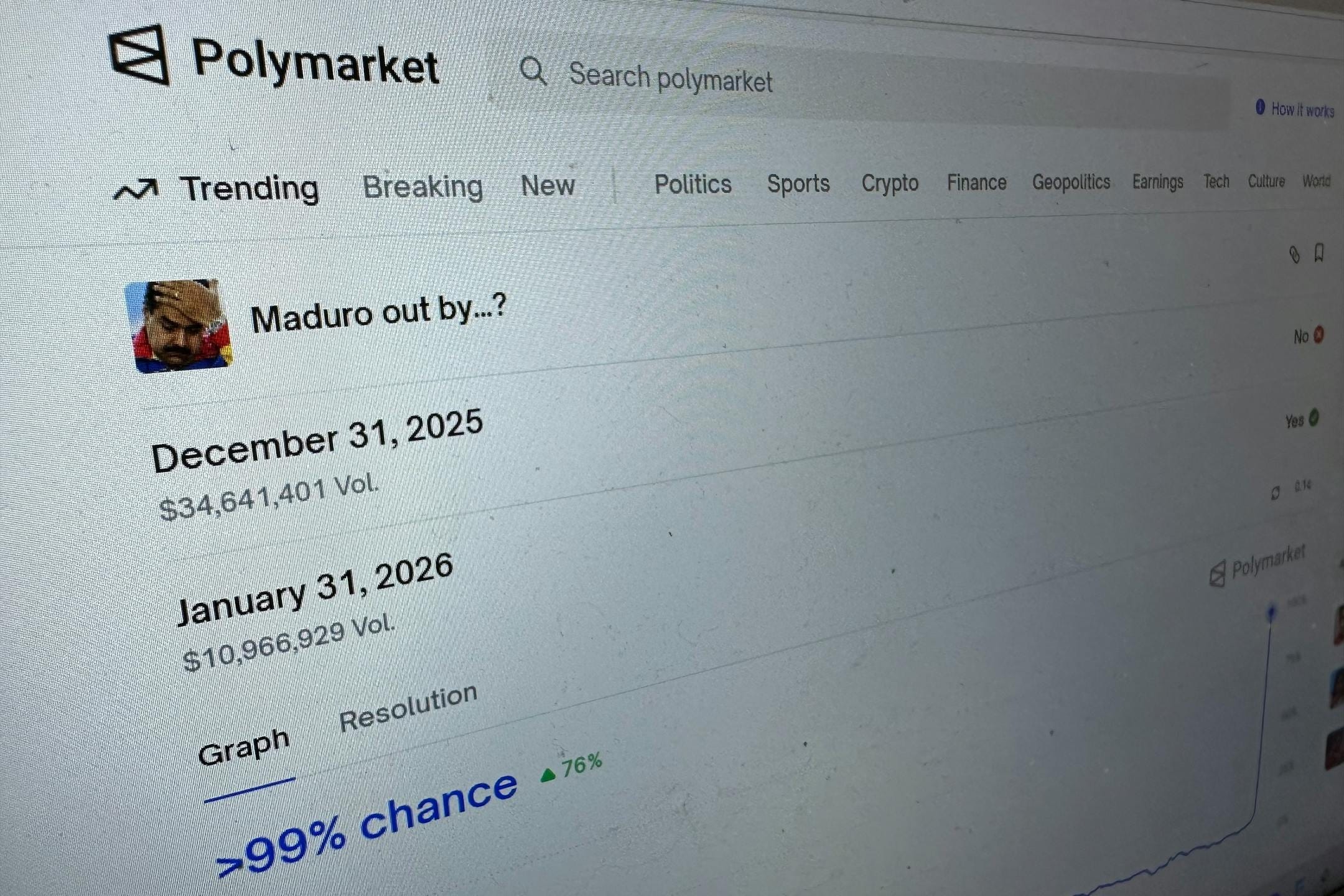
Minnesota Governor Tim Walz signed the first state-level ban on prediction markets — covering Kalshi, Polymarket, and anything that lets you wager on future outcomes from elections to weather. The Trump administration sued the same day. All three hosts think Minnesota will lose in court. Kevin: “No way in hell.” Ian: “No way, Nell. But it’s a noble gesture.” The more interesting question Eric raised: is this just gambling with extra steps? Ian’s take was the sharpest — it’s pure gambling, it should be under the SEC, and there are documented cases of people with insider knowledge of administration decisions betting on geopolitical outcomes in real time. Kevin added a story that lands: someone found the physical temperature probe used to validate a weather prediction market, brought a hairdryer, and won the bet. That’s the structural problem, in miniature. Ian: “Minnesota did it and I am proud of it.”
“I think this is pure gambling and it’s fucking crazy that we let people do this.” — Ian Park
“Someone found the temperature probe, brought a hairdryer, and heated it up to the temperature they gambled on.” — Kevin Jiang
“It creates incentive to prolong wars. Insiders in the administration appear to be making bets and enriching themselves.” — Eric Bahn
Further reading:
Minnesota to Ban Prediction Markets Like Kalshi, Polymarket (NPR)
Trump Administration Sues Minnesota to Block Prediction Markets Ban (Star Tribune)
Quote of the Week
“Everything is wrong, but it feels so right.” — Eric Bahn
If you’ve been quietly skeptical of the SpaceX hype, Ian just said the thing most people in VC are only whispering. Hit reply.
🎙️ Three Commas Podcast
Three VCs, one mic, three opinions you won’t hear at a fund meeting. Hosted by Eric Bahn, Ian Park, and Kevin Jiang.
Hosts: Kevin Jiang · Ian Park · Eric Bahn
Listen on:
🎵 Spotify · 🎙️ Apple Podcasts · ▶️ YouTube
Three commas. Zero guarantees.


